Active bodies.
Growing minds.
Physical activity supports children's muscles, bones, and fitness. The CDC also identifies attention and memory benefits. Active play is one enjoyable way to make movement part of the day. [2]
When kids play, they're doing more than filling an afternoon. They're practicing how to move, think, connect, and try again.
EXPLORE THE BENEFITS ↓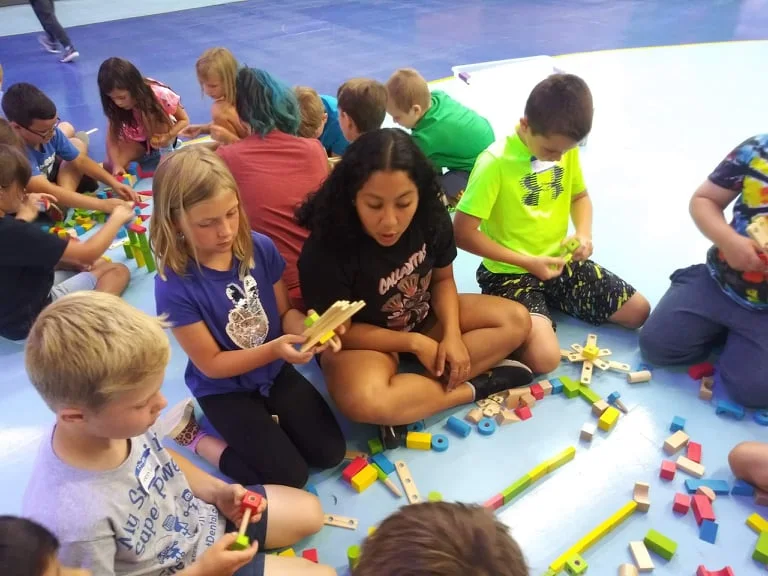 BIG LEARNING. LITTLE EVERYDAY MOMENTS.
Play deserves a place
in a child's everyday life.
The American Academy of Pediatrics describes play as an important part of development, including communication, relationships, planning, and managing emotions. [1]
That doesn't mean every game needs a lesson plan. Making something, moving together, or inventing a game can give kids valuable room to explore.
Physical activity supports children's muscles, bones, and fitness. The CDC also identifies attention and memory benefits. Active play is one enjoyable way to make movement part of the day. [2]
Playing with others gives children opportunities to communicate, share ideas, cooperate, and work through disagreements. Those everyday interactions are part of learning to get along. [1]
Open-ended and pretend play make space for imagination, language, and problem solving. Kids can test an idea, change the plan, and discover another way forward. [1]
The AAP connects play with emotional regulation and coping with stress. A playful setting can offer chances to practice waiting, handling frustration, and trying again with support. [1]
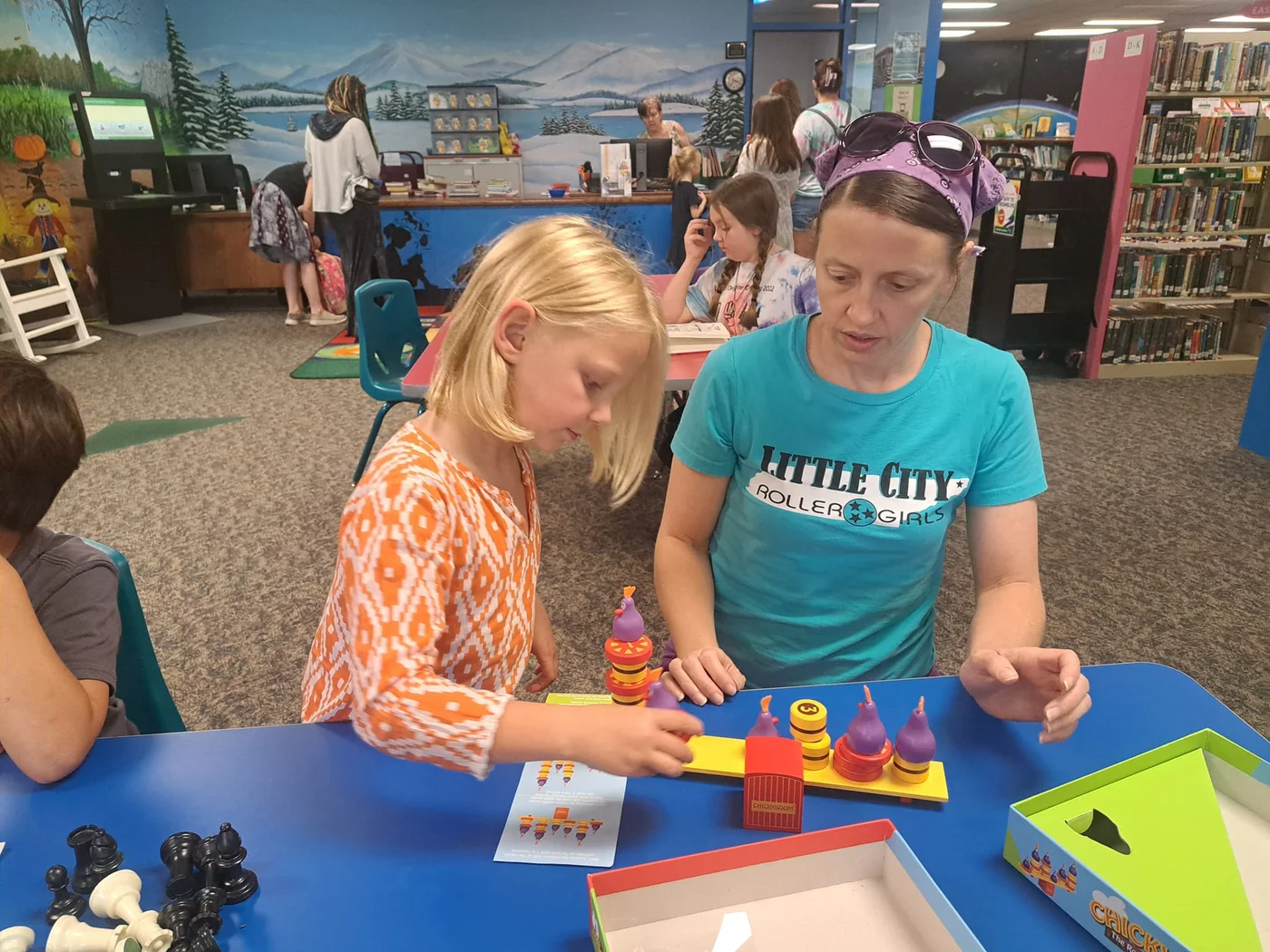
That simple answer can hold a whole afternoon of experiences. Here are a few things to ask about:
Keep it light. Let your child tell the story in their own way.
At Rink Link, the afternoon includes snack, homework or reading time, skating, and activities. It's a chance to shift gears after the school day and make room for connection and movement.
Our goal is an afternoon kids look forward to—with opportunities to try, create, and belong. Activities and schedules vary.
See the rhythm of an afternoon ↗A parent-friendly overview of play and child development, with particular emphasis on younger children.
Benefits of movement for children's physical health, attention, and memory.
Explore the original articles for more context and age-specific guidance.